















Have you noticed a stinging or burning feeling with a cut, scrape or even a surgical wound? This can happen right after an injury or even days later while it’s healing.
Stinging usually does not mean there is a problem with the wound. It can mean the skin around the wound is inflamed or irritated. It can be the body’s way of helping the wound heal. However, persistent or worsening stinging can sometimes point to an infection or another wound complication.
In this blog, we will discuss why your wound stings, what it means, and when you need to be worried.
Is It Normal for a Wound to Sting?
Yes. Stinging is a normal and common sensation associated with a variety of wounds, including cuts, scrapes, burns and even surgical wounds.
Stinging usually occurs because sensitive nerve endings are exposed after the skin is injured and the protective barrier is removed.
This can cause:
1. Slightly irritated and inflamed skin around the area
2. A burning or stinging sensation
3. Slight swelling and redness
4. Tingling in the area
Usually, when the symptoms are gradually improving, it's nothing to be concerned about.
A worsening condition or the development of new symptoms may indicate a problem with the healing process and require medical attention.
7 Reasons Your Wound May Be Stinging

Several things can cause a wound to sting. In most cases, it is due to normal processes during the healing of the skin. However, it is important to recognize abnormal causes.
1. Exposed Nerve Endings
Our skin is made up of many layers. The outermost layer is made up of keratin, which is a kind of protein. Beneath this layer is the living portion of the skin. This layer contains blood vessels and nerve endings.
When the skin is broken, the nerve endings may be exposed, irritated or damaged.
Exposure to nerve endings may cause a burning sensation or stinging when the wound touches clothing. The stinging may be worse if the area comes in contact with water.
2. Inflammation During Wound Healing
Inflammation is one of the body's first responses to an injury.
After a wound occurs, your immune system sends cells and other substances to the injured area. This helps protect the wound and supports tissue repair.
During this process, you may experience:
- Mild redness
- Slight swelling
- Warmth around the wound
- Tenderness or stinging
These symptoms are usually temporary and should gradually improve as healing progresses.
3. Dry Skin Around the Wound
Dryness can make an injured area feel tight, irritated, or uncomfortable.
As the wound heals, new skin starts forming over the injured tissue (1). The surrounding skin may also become dry or flaky.
This can cause a tight or stretched feeling, mild stinging when moving the affected area, or discomfort when clothing rubs against the skin.
Avoid picking at dry skin or scabs, as this can reopen the wound and interfere with healing.
4. Irritation From Wound Cleaning Products or Dressings
Sometimes, the products used to care for a wound can cause irritation.
Certain antiseptics, harsh cleansers, adhesives, and topical products can irritate sensitive or damaged skin.
You may notice stinging:
- Immediately after applying a cleaning product
- When using an adhesive bandage
- After changing your wound dressing
Avoid repeatedly applying harsh products to an open wound. Follow your healthcare provider's wound-care instructions.
5. Friction or Pressure on the Wound
A healing wound can become sensitive to everyday movement and contact. Clothing, footwear, bandages, and repeated movements can rub against the injured area. This may cause temporary stinging or discomfort.
6. Nerve Irritation During Healing
Sometimes, an injury affects small nerves in the surrounding tissue.
As these nerves recover, you may experience unusual sensations, including:
- Tingling
- Brief sharp pains
- Burning sensations
- Occasional electric-shock-like feelings
7. Wound Infection
A wound infection is one of the more concerning causes of stinging. Bacteria can enter through broken skin and multiply inside the injured tissue (2). An infected wound may become increasingly painful rather than gradually improving.
How to Reduce Stinging and Support Wound Healing
Proper wound care can help reduce irritation and protect the injured area while your body repairs the tissue.
Here are some simple steps to follow.
1. Clean the Wound Gently
Keep the wound clean to remove dirt and reduce the risk of infection.
- Wash your hands before touching the wound
- Rinse minor cuts with clean running water
- Use mild soap around the injured area
- Avoid scrubbing or rubbing the wound
- Pat the surrounding skin dry with a clean towel
Avoid using hydrogen peroxide or rubbing alcohol directly on minor wounds, as these can irritate the tissue.
2. Keep the Wound Protected
An appropriate dressing helps protect the wound from dirt, friction, and further injury. Cover minor wounds with a sterile bandage, change the dressing as recommended, and avoid tight bandages that put pressure on the injured area. Use a non-stick dressing when appropriate to prevent irritation during dressing changes.
3. Avoid Picking at Scabs
Scabs help protect the tissue underneath while new skin forms.
Picking or scratching them can:
- Reopen the wound
- Cause additional bleeding
- Increase irritation
- Delay healing
- Increase the risk of scarring
Allow the healing process to continue without disturbing the area.
4. Eat Nutrient-Rich Foods
Your body needs adequate nutrition to repair damaged tissue.
Include a variety of foods that provide essential nutrients.
|
Nutrient |
How It Supports Healing |
Food Sources |
|
Protein |
Supports tissue growth and repair |
Eggs, fish, chicken, beans |
|
Vitamin C |
Helps with collagen formation |
Oranges, kiwi, bell peppers |
|
Zinc |
Supports normal immune function and tissue repair |
Meat, seafood, pumpkin seeds |
|
Vitamin A |
Supports skin health and immune function |
Carrots, spinach, sweet potatoes |
Eating a balanced diet helps provide the nutrients your body needs throughout recovery.
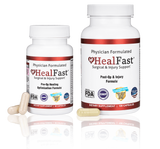
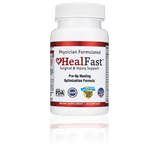
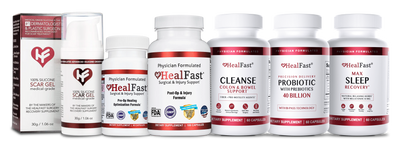
Support Your Recovery With HealFast Post-Op Formula
Proper nutrition plays an important role in wound healing and post-surgery recovery. However, getting all the essential nutrients your body needs through food alone can sometimes be challenging.
HealFast’s Post-Surgery supplements are physician-formulated to provide 25 critical ingredients selected to support the body's recovery process.

Made with ingredients backed by 200+ scientific studies, the formula is designed to support:
- Wound Healing: Supports the body's natural wound-healing process.
- Pain and Scar Reduction: Includes ingredients studied for their role in supporting recovery and minimizing scarring.
- Energy and Immunity: Provides nutrients that support energy levels and normal immune function.
Want to learn more about the science behind our formula? Read our white paper to explore the research and scientific studies behind ingredients.
5. Follow Your Wound-Care Instructions
Different wounds need different levels of care.
A small scrape may heal with basic home care, while surgical incisions, deep cuts, and burns may require specific dressings and medical supervision.
Always follow your healthcare provider's recommendations, especially after surgery.
When Should You Worry About a Stinging Wound?
Mild stinging is generally less concerning. However, certain symptoms should not be ignored. Contact your healthcare provider if you notice:
1. Increasing pain, burning, redness, or swelling
2. Yellow or green drainage or a foul smell
3. Fever or chills
4. Red streaks spreading from the wound
5. A wound that is not improving or an incision that begins to open
6. Severe pain, uncontrolled bleeding, or rapidly spreading redness
7. Confusion, faintness, or feeling seriously unwell
People with diabetes, poor circulation, or weakened immune systems should be especially careful about changes in their wounds (3).
How Long Does Wound Stinging Last?
Wound stinging can last anywhere from a few hours to several days, depending on the type, depth, and location of the injury.
Minor cuts and scrapes often start healing within a few days. Burns and surgical wounds can remain sensitive for longer.
Here is a general overview:
|
Wound Type |
General Healing Timeline |
|
Minor cuts |
Often start healing within a few days |
|
Scrapes |
Usually begin healing within a few days |
|
Minor burns |
Around 2 weeks |
|
Surgical incisions |
Initial healing may take 1-2 weeks, depending on the procedure |
|
Deeper injuries |
Several weeks or longer, depending on severity |
There is no fixed timeline for wound stinging. It depends on the type, depth, and location of the injury.
Related Articles:
Zinc and Wound Healing: What Patients Should Know
What Happens If You Don't Care for a Surgical Wound Properly
Is Redness Around a Surgical Incision Normal or a Sign of Infection?
FAQs
Q1. Why does my wound sting when I wash it?
An open wound has exposed or sensitive tissue. Contact with water, friction, or certain cleaning products can trigger a stinging sensation.
Use clean running water and avoid harsh products or scrubbing.
Q2. Does the wound sting more at night?
Yes, a wound may feel more noticeable or sting more at night. With fewer distractions, you may become more aware of the discomfort. Changes in sleeping position or pressure from bedding can also irritate the injured area. However, worsening pain should not automatically be attributed to nighttime.
Q3. Should I cover a wound that stings?
Generally, yes. Covering a minor wound with an appropriate sterile dressing helps protect it from dirt and friction. Choose a dressing that does not stick to the wound and change it as directed.
Follow different instructions if your healthcare provider has recommended otherwise.
Q4. Can a wound sting without being infected?
Yes. Exposed nerve endings, inflammation, dryness, friction, and skin irritation can all cause stinging without an infection.
References:
1. MedlinePlus. (n.d.). Wound care. https://medlineplus.gov/ency/patientinstructions/000741.htm
2. Medical News Today. (n.d.). How to recognize and treat an infected wound. https://www.medicalnewstoday.com/articles/325040
3. National Center for Biotechnology Information. (n.d.). Wound healing. https://www.ncbi.nlm.nih.gov/books/NBK326431/

