


























Recovering from surgery is a journey that goes beyond rest and medications. The body has an incredible ability to heal itself, but to do so effectively, it needs the right nutrition for tissue repair. From rebuilding damaged muscles and skin to strengthening connective tissues, nutrients play a vital role in every step of the healing process.
Here, one of the most common questions patients ask is: Which nutrient is needed for tissue growth and repair?
The simple answer is protein, but the complete picture is more complex. While protein is the primary building block, other nutrients like vitamins, minerals, and amino acids are equally essential for accelerating the post-op tissue healing.
In this blog, we’ll explore the supporting nutrients that aid muscle and scar tissue recovery after surgery and how Healfast supplements can help improve healing.
Supporting Nutrients for Tissue Growth and Repair
When you go through surgery, two major types of tissues need focused healing: scar tissue and muscle tissue. Both play different roles in recovery - scar tissue helps close and protect the surgical wound, while muscle tissue is essential for restoring strength, movement, and overall function. Each type of tissue requires specific nutrition for tissue repair.
Nutrients for Scar Tissue Healing
Scar tissue forms as your body produces collagen fibers to seal wounds and protect them from reopening. The quality of this scar tissue determines how quickly your incision closes, how strong the skin becomes, and whether your scar appears raised, thick, or flat. Nutrition plays a direct role here.
1. Vitamin C: Collagen Booster
Vitamin C is one of the most important nutrients for scar healing. It stimulates collagen production, ensuring that scar tissue forms with strength and flexibility. It also supports healthy blood vessels, which improves nutrient delivery to the wound site and reduces bruising and swelling. Top sources for vitamin C include strawberries, citrus fruits, broccoli, and bell peppers.
2. Zinc: Wound-Healing Mineral
Zinc plays a vital role in supporting new tissue growth and helping wounds close properly. It supports DNA synthesis and cell division, which helps scars mature more efficiently. Lack of this nutrient may slow down the healing process and make surgical sites more prone to infection. Pumpkin seeds, poultry, and legumes are excellent dietary sources.
3. Vitamin A: Skin & Tissue Regenerator
Vitamin A assists in forming epithelial cells, which act as a protective barrier over wounds. It also regulates immune function during the early stages of healing, helping prevent complications. When combined with vitamin C, it accelerates scar tissue development and remodeling. You can find vitamin A in carrots, spinach, sweet potatoes, liver, and eggs.
4. Omega-3 Fatty Acids: Scar Quality Support
Omega-3 fatty acids help control excess inflammation, which can lead to thick, raised scars. They also maintain healthy cell membranes, which play a role in flexible, well-formed scar tissue (1). Salmon, flaxseeds, walnuts, and fish oil are reliable sources of omega-3s.
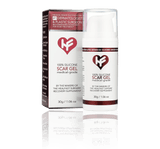
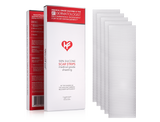
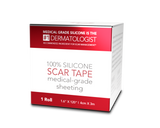
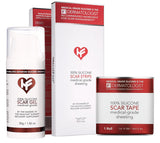
Tip: Along with nutrition, another effective option for improving scar tissue recovery is the use of silicone gels and sheets. These are clinically proven to flatten raised scars, soften thick tissue, and improve overall scar appearance when used consistently.

Nutrients for Muscle Tissue Repair
Muscle tissue is often affected during surgery, either directly through incisions or indirectly through reduced movement afterwards. Proper nutrition ensures that muscles regain their strength, elasticity, and function, which is essential for long-term recovery.
1. B-Complex Vitamins: Energy for Muscle Cells
B vitamins convert food into usable energy, giving muscle cells the fuel they need to repair and grow. Vitamin B6 and folate support the production of red blood cells, which carry oxygen to recovering muscles, while vitamin B12 aids in repairing nerves and muscle fibers. Whole grains, meat, eggs, and leafy greens are excellent choices.
2. Glutamine: Fuel for Recovery
Glutamine is an amino acid that becomes conditionally essential during recovery. It provides energy to immune cells while also supporting muscle cell repair (2). By reducing muscle breakdown and promoting protein synthesis, glutamine helps maintain strength during healing. This nutrient is found in fish, meat, beans, and soy.
To understand just how important glutamine is, it helps to look at its presence in muscle.
Research shows that more than half of the free amino acids in skeletal muscle are glutamine, making it the most abundant amino acid in muscle tissue. - https://pmc.ncbi.nlm.nih.gov/articles/PMC6520936/

3. Arginine: Blood Flow and Muscle Growth
Arginine improves circulation to muscles, delivering oxygen and nutrients more efficiently. It also stimulates collagen production, which indirectly supports both scar and muscle repair. Regular intake of arginine-rich foods like poultry, nuts, fish, and soy can accelerate muscle recovery.
4. Protein & Amino Acids: The Building Blocks
Muscle recovery after surgery relies heavily on a steady intake of protein for tissue repair, since amino acids are needed to rebuild damaged fibers and restore strength. Adequate protein also helps prevent muscle wasting during the recovery phase when activity levels are reduced.
Resource for Protein & Amino Acids: Lean meats, legumes, dairy products, and high-quality protein supplements.
Below is a quick reference table highlighting these nutrients, their roles, food sources, and recommended daily intake (adapted from https://www.hss.edu/health-library/conditions-and-treatments/nutrition-for-healing).
| Nutrients | Why is Nutrition Important? | Where to Find? | Recommended Amount (Per Day) |
|---|---|---|---|
| Protein | Healing, tissue repair and regrowth | Meat, poultry, fish, eggs, milk, cheese, legumes, soy products, nuts, seeds | – |
| Lipids (Fats) | Absorption of fat-soluble vitamins, immune response, energy | Oils (olive, canola, sunflower), nuts, seeds, avocado, salad dressings, margarine, butter | – |
| Carbohydrates | Energy for healing and preventing protein/muscle breakdown | Fruits, vegetables, legumes, breads, cereals, rice, pasta, grains | – |
| Zinc | Helps in wound healing, component of enzymes | Meat, liver, eggs, oysters and other seafood | 15 mg |
| Calcium | Building and maintaining bones and muscle contraction | Milk, cheese, yogurt, soy products, leafy greens, broccoli, almonds | 1500 mg |
| Iron | Forming hemoglobin and carrying oxygen (best with vitamin C) | Liver, lean red meat, poultry, fish, fortified cereals, legumes, leafy greens |
18 mg – men 15 mg – women |
| Vitamin A | Supports wound healing, growth, and skin maintenance | Carrots, sweet potatoes, leafy greens, milk, cheese, liver, egg yolk | 5000 IU |
| Vitamin C | Builds connective tissue and supports healing | Citrus fruits, strawberries, tomatoes, peppers, greens, cabbage, melon | 60 mg |
| Vitamin D | Supports bone healing and calcium absorption | Fortified milk, cereals, liver, fatty fish, egg yolk | 400–800 IU |
| Vitamin E |
Antioxidant support (Do NOT take supplements 7–10 days before surgery) |
Vegetable oils, beef liver, milk, eggs, butter, leafy greens | 30 IU |
| Vitamin K | Supports wound healing and blood clotting | Leafy greens, fatty fish, liver, vegetable oils |
80 µg – men 65 µg – women |
What Scientific Research Says?
Studies suggest that immunonutrients play a significant role in recovery. Research shows they may help prevent wound complications, support proper healing, and even reduce the risk of wound infections by more than 50%. This could have a major impact on improving both healing outcomes and overall quality of life (2).
Can Nutritional Supplements Help Tissue Repair?
Absolutely! While whole foods are the foundation of recovery, sometimes diet alone isn’t enough to meet the body’s increased nutrient demands after surgery or injury. This is where nutritional supplements can make a meaningful difference.
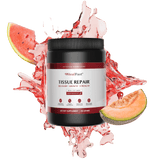
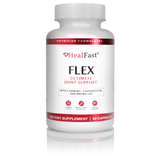
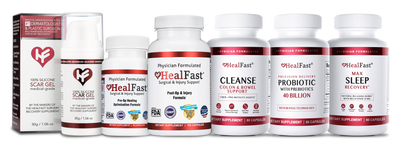
At HealFast, we offer physician-formulated post-surgery recovery supplements, designed specifically to support internal healing after surgery. Our supplement combines clinically studied ingredients that are proven to enhance collagen formation, reduce muscle soreness, and strengthen the body’s natural healing process.

Keep Reading:
How to Treat Itchy or Painful Scars After Pregnancy-Related Surgery?
What to Eat Before and After Surgery for Faster Recovery?
Why Sitting After a BBL Surgery Is So Risky, And How to Avoid It?
Diet Tips for Supporting Tissue Growth and Repair
To maximize your body’s healing potential, follow these strategies:
A. Prioritize Protein at Every Meal: Include lean meats, dairy, or plant proteins consistently.
B. Balance Your Plate: Combine protein with whole grains, vegetables, and healthy fats for complete nutrition.
C. Stay Hydrated: Water is essential for nutrient transport and waste removal.
D. Avoid Empty Calories: Sugary snacks, fried foods, and alcohol may taste comforting, but they provide little nutrition and can actually slow down the healing process. Focus instead on nutrient-rich foods that fuel recovery.
E. Follow Medical Guidance: Before adding any new foods or surgery recovery supplements to your diet, consult your surgeon or dietitian to ensure they fit your individual healing needs.
Need guidance on selecting the right supplements? HealFast’s quick quiz is an easy way to find out the supplements required for your surgery recovery.

Reference:
-
Coqueiro, A. Y., Rogero, M. M., & Tirapegui, J. (2019). Glutamine as an anti-fatigue amino acid in sports nutrition. Nutrients, 11(4), 863. https://pmc.ncbi.nlm.nih.gov/articles/PMC6520936/
-
Alexander, J. W., & Supp, D. M. (2014). Role of arginine and omega-3 fatty acids in wound healing and infection. Advances in Wound Care, 3(11), 682–690. https://pmc.ncbi.nlm.nih.gov/articles/PMC4217020/

HealFast Complete Surgery & Injury Formula (PreOp + PostOp)
OPTIMIZE RECOVERY & SUPPORT HEALING from surgery, injury, and extreme sports with the most comprehensive...
$99.95
Shop Now