















Post-surgical swelling is common during recovery and can occur in many different areas of the body. You may notice swelling in the surgical area as well as fluid retention in the hands or feet. There are things that you can do to manage your swelling at home. Resting, elevating and using cold packs are a few of those things. It is also important to follow the instructions you have been given for movement.
However, not all swelling is normal. We will explore how to reduce swelling after surgery and when to seek medical attention.
Why Does Swelling Occur After Surgery
Swelling occurs when fluid and inflammatory cells collect around tissues affected by surgery (1).
Several factors can affect swelling:
-
Type of surgery
-
Immobility
-
Physical activity
-
Medications
- Individual healing
7 Ways to Reduce Swelling After Surgery

1. Elevate the Area
Gravity can cause fluid to collect in the lower parts of your body, particularly your feet and ankles. Elevation can help reduce this buildup.
If you've had leg or foot surgery, try resting with your leg elevated on pillows (2).
2. Apply a Cold Pack
Cold therapy can help relieve pain and swelling after certain procedures, particularly orthopedic surgery.
To use a cold pack safely:
- Wrap it in a thin towel
- Apply it for about 15-20 minutes
- Allow your skin to return to its normal temperature before applying it again
- Check your skin regularly
- Stop if you notice discomfort or unusual skin changes
Never place ice directly on your skin. Avoid applying cold over an incision or dressing unless your care team has confirmed it's safe.
3. Take Short Walks
- Take short, gentle walks if your surgeon allows
- Walk around your home and rest between walks
- Avoid strenuous exercise & prolonged standing
- If swelling or pain increases, reduce activity and rest
Gentle movement supports circulation, reduces stiffness & helps lower the risk of blood clots.
4. Support Recovery With HealFast
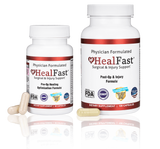
You will need the right nutrients to help repair tissue and recover after surgery. HealFast's post-surgery supplements are physician-formulated with 25 ingredients essential for wound healing, immune function and inflammation.
Bromelain, an enzyme found in pineapple, is one of the ingredients studied for its potential to help reduce swelling after certain surgical procedures.

5. Follow Your Compression Instructions
Compression garments may help control swelling after certain procedures (3). They're commonly used in some orthopedic and plastic surgery recovery plans.
However, compression isn't appropriate for every surgical site and the correct fit matters.
6. Stay Hydrated and Eat Balanced Meals
Your body needs adequate fluids and nutrients to support tissue repair during recovery (4).
Drink water regularly unless your healthcare team has restricted your fluid intake. Include a variety of foods that provide:
- Protein
- Vitamins
- Minerals
- Other essential nutrients
For example, eggs, fish, beans, yogurt, fruits, vegetables and whole grains can help you meet your nutritional needs.
If you have kidney or heart problems or you've been given specific fluid or dietary restrictions, follow your clinician's advice.
Learn What to Eat Before and After Surgery for Faster Recovery.
7. Balance Activity With Rest
More activity isn't always better during recovery.
You might feel comfortable walking in the morning but notice more swelling by the evening. This can happen when the operated area has been under more strain than it can comfortably tolerate.
Try alternating gentle activity with periods of rest. Break larger tasks into smaller steps and avoid lifting heavy objects or doing strenuous household chores until your surgeon approves them.
If swelling repeatedly increases after a particular activity, discuss it with your surgical team.
8. Take Medications as Prescribed
Medications can help manage pain and support recovery after surgery. To lessen swelling:
- Take your medication as directed.
- Ask your healthcare professional if it is safe to use anti-inflammatory medication or diuretics.
What Should You Avoid When Managing Postoperative Swelling
A few common mistakes can make recovery harder or delay appropriate treatment.
1) Don't push through increasing pain
2) Don't apply ice directly to the skin
3) Don't massage the swollen area without clearance
4) Don't use compression without guidance
5) Don't ignore sudden changes
How Long Does Swelling Last After Surgery
There isn't one recovery timeline that applies to every procedure. Swelling often increases during the first few days, but the timing of the peak and the rate of improvement vary.
|
Recovery stage |
What you might notice |
|
First few days |
Swelling, bruising, tenderness or tightness around the operated area |
|
First 1-2 weeks |
Swelling may gradually improve, although it can fluctuate with activity |
|
Following weeks |
Residual swelling may remain, particularly after major procedures |
|
Following months |
Some swelling can persist after certain operations, especially joint replacement surgery |
These timelines are estimates and may vary depending on your procedure and healing process.
Related Articles:
Is Redness Around a Surgical Incision Normal or a Sign of Infection?
5 Stages of Surgical Recovery No One Talks About
Which Nutrient is Needed for Tissue Growth and Repair After Surgery
When Should I Worry About Swelling After Surgery
Get in touch with your surgical team if you notice any of these changes:
- Sudden or worsening swelling
- Increasing redness, warmth or pain around the incision
- Pus or foul-smelling drainage
- Opening wound
- 100.4°F or higher fever
- Swelling that worsens instead of improving
References:
1. Lent-Schochet, D., & Jialal, I. (2023). Physiology, edema. StatPearls Publishing. https://www.ncbi.nlm.nih.gov/books/NBK537065/
2. Seladi-Schulman, J. (2026, May 6). What are the benefits of elevating your legs? Healthline. https://www.healthline.com/health/elevating-legs
3. Cleveland Clinic. (2022, July 11). Compression therapy. https://my.clevelandclinic.org/health/treatments/23449-compression-therapy
4. Chu, Y., Kong, J., Xu, J., Han, G., Yu, W., & Xu, X. (2024). Role of nutritional support in nursing practice for improving surgical site wound healing in patients post-surgery with risk of pressure ulcers. International Wound Journal, 21(4), Article e14855. https://pmc.ncbi.nlm.nih.gov/articles/PMC10985497/

HealFast Complete Surgery & Injury Formula (PreOp + PostOp)
OPTIMIZE RECOVERY & SUPPORT HEALING from surgery, injury, and extreme sports with the most comprehensive...
$99.99
Shop Now
HealFast Surgery & Injury Recovery Formula
OPTIMIZE RECOVERY & SUPPORT HEALING from surgery, injury, and extreme sports with the most comprehensive...
$39.95
Shop Now