





















After surgery or an injury, you may notice that the skin around your scar doesn't move as easily as it used to.
Scar tissue massage is one way to care for a healed scar (1). With gentle, regular massage, you may be able to improve your scar's flexibility, soften firm tissue and make the area more comfortable.
But timing matters. Starting too early can irritate a healing wound, while pressing too hard can make the area sore.
So, when should you start scar massage? And how do you do it correctly? Let’s understand.
When to Start Scar Massage
Before you start massaging your scar, make sure:
- The skin has fully closed, with no open areas
- All scabs have fallen off and the skin is no longer healing
- There is no bleeding, fluid, or discharge from the area
- Any stitches or staples have been removed & your surgeon has cleared you to begin scar massage

How to Massage Scar Tissue
1. Clean the Area
Wash your hands and gently clean the scar with mild soap and water. Pat the area dry.
This helps remove dirt, sweat and any leftover product.
2. Apply a Small Amount of Moisturizer
Apply a gentle, fragrance-free moisturizer to help your fingers glide smoothly over the scar during massage.
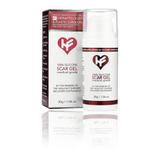
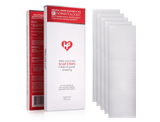
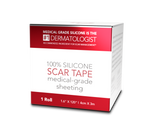
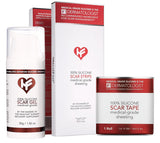
You can also use medical-grade silicone as part of your scar-care routine to help maintain skin hydration.
Tip: HealFast offers medical-grade silicone gel, sheets and tape with the following benefits:
- Suitable for both new and old scars
- Suitable for all ages and sensitive skin
- Recommended by dermatologists and plastic surgeons

Make sure the product is suitable for your fully healed skin before starting.
3. Start With Small Circular Movements
Place the tips of two fingers or your thumb on the scar. Move the skin in small, slow circles rather than simply rubbing your fingers across the surface.
Start with light pressure. The goal is to move the skin gently without causing pain or irritation.
4. Massage Side to Side
Gently move your fingertips from one side of the scar to the other. Work on small sections at a time, paying extra attention to areas that feel tight or firm.
5. Massage Along the Length of the Scar
Next, move your fingertips up and down along the scar.
Use controlled movements and gradually work across the entire area. Include the surrounding skin if it feels tight.
6. Finish and Check Your Skin
When you finish, check the area for:
- Increased redness
- Swelling
- Irritation
- Tenderness
If the skin becomes irritated or the wound reopens, contact your healthcare provider.
Also Read: Can a Scar Reopen After Years
Benefits of Scar Tissue Massage
1) Improves skin mobility:
Helps the scar and surrounding skin move more freely
2) Reduces tightness:
May ease pulling or stiffness around the scar
3) Eases sensitivity:
May help reduce discomfort when the scar is touched
4) Supports flexibility:
Can help improve movement when scar tightness affects nearby joints or tissues
5) Helps manage scar discomfort:
May reduce itching or tenderness in some people
Results vary depending on the scar's type and condition.
How Much Pressure Should You Use During Scar Massage
|
Scar condition |
How to massage |
|
Newly healed scar |
Begin with light, gentle movements after medical clearance |
|
Firm or tight scar |
Gradually increase pressure if comfortable and approved by your provider |
|
Sensitive or tender scar |
Use lighter pressure and shorter sessions |
|
Older, mature scar |
Gentle, consistent massage may help with flexibility and comfort |
How Often Should You Massage Scar Tissue
- Massage your scar 2-3 times a day (2)
- Spend about 5 minutes per session
- Stay consistent for several weeks
How to Soften Scar Tissue
If your scar feels hard, raised, or tight, massage is one option that may help improve its flexibility. Other scar-care practices can also help.
1. Massage the Scar Regularly
2. Keep the Scar Moisturized
3. Protect the Scar From Sun Exposure
4. Avoid Scratching the Scar
5. Keep the Scar Clean
Related Articles:
Silicone or Vaseline: Which is Better for Scars?
How Different Skin Types Affect Scar Formation After Surgery
Internal vs External Scar Tissue: How They Form and Heal Differently
FAQs
Q1: When is it too late to massage scar tissue?
It's not always too late to massage scar tissue, even after several years. Massage may help ease tightness and improve flexibility, but results depend on the tissue's condition. Changes in appearance aren't guaranteed.
Q2: Is scar massage better than silicone gel or sheets?
They serve different purposes. Scar massage may help loosen tight tissue and improve flexibility. Silicone gel & sheets help keep the scar hydrated and can improve its appearance over time. Depending on your scar and healing stage, you may benefit from using both.
Q3: Can scar massage hurt?
No. You may notice mild tightness or sensitivity, but sharp pain or increasing discomfort is a sign to stop. Never try to force a scar to loosen by pressing harder.
References:
1. Deflorin, C., Hohenauer, E., Stoop, R., van Daele, U., Clijsen, R., & Taeymans, J. (2020). Physical management of scar tissue: A systematic review and meta-analysis. The Journal of Alternative and Complementary Medicine, 26(10), 854–865. https://pmc.ncbi.nlm.nih.gov/articles/PMC7578190/
2. Whittington Health NHS Trust. (2024, January 10). Scar management [Patient information factsheet]. https://www.whittington.nhs.uk/document.ashx
