














The way your body digests food may change after surgery. You may feel full even after eating a light meal, use the bathroom more often than normal, or see changes in your bowel movements.
Several factors could lead to these digestive changes after surgery. These include medications and anesthesia used during the operation, decreased activity, or changes in your regular meals.
Some problems normalize with time as you continue to heal, but some can be serious and require further evaluation or treatment. Below we’ll discuss some of the more common problems and what you can do to help recover.
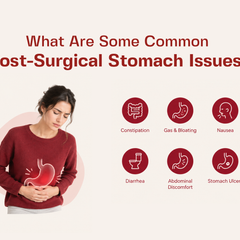
Common Postoperative Stomach Issues
Your digestive system may take some time to return to its usual routine after an operation. Here are some problems you might experience during recovery.
|
Stomach issue |
Common symptoms |
Possible causes |
|
Constipation |
Hard stools, straining, or fewer bowel movements (1) |
Pain medication, inactivity, or low fluid intake |
|
Gas and bloating |
Fullness or abdominal swelling |
Slow digestion, trapped gas, or constipation |
|
Nausea |
Feeling sick or vomiting |
Anesthesia, medications, or digestive changes |
|
Diarrhea |
Loose stools, frequent bowel movements, or cramps |
Medications, antibiotics, or diet changes |
|
Abdominal discomfort |
Mild cramps, soreness, or pressure |
Healing, gas, or bowel changes |
|
Stomach ulcers |
Upper abdominal pain, nausea, or early fullness |
H. pylori infection or NSAIDs |
Not everyone experiences these conditions and experiencing one of these conditions doesn’t mean something is wrong. The concern should be the severity and whether it’s getting better.
How to Manage Stomach Issues After Surgery
Making a few minor changes to your diet and daily routine can help ease digestive discomfort. The right approach depends on your symptoms and the type of surgery you've had.
1. Eat Smaller Meals
Eating large meals can be uncomfortable after surgery. Stick to the foods you're allowed to eat based on your surgery. Instead of having three large meals a day, eat smaller portions at regular intervals.
2. Move Gently
Rest is really important after surgery, but over-resting for a long time will affect your bowel movements. Short, gentle walks may help you ease back into your usual routine and support normal bowel function.
Take things slowly, especially if you've had abdominal surgery. Don't push yourself to do more.
3. Stay Hydrated
Insufficient fluid consumption can cause constipation. If you're dealing with diarrhea or vomiting, you may also lose more fluids than usual, which can lead to dehydration.
Make sure you get enough fluids by spreading your intake throughout the day. If your healthcare team has restricted your fluid intake, follow their advice.
4. Choose Foods That Are Easy on Your Stomach
|
Stomach issues |
Foods that may help |
|
Constipation |
Oatmeal, fruits, vegetables, and fiber-rich foods |
|
Gas and bloating |
Small meals and well-tolerated foods |
|
Nausea |
Plain rice, crackers, or toast |
|
Diarrhea |
Rice, bananas, and plain toast |
|
Abdominal issues |
Small, easy-to-digest meals |
|
Stomach ulcers |
Bananas, rice, lean proteins; avoid foods that worsen symptoms |
5. Take Digestive Support Supplements
Your nutritional needs may change during recovery, especially if your appetite is low or your usual diet is temporarily limited. However, supplements aren't a substitute for a balanced diet or medical treatment.
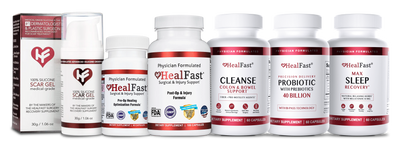
To provide additional digestive assistance, we have two alternatives at HealFast:
1) Probiotics Supplements

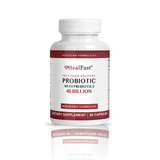
HealFast Probiotics has 40 billion CFU of probiotics, which include a four-strain combination of helpful bacteria as well as prebiotics that aid in feeding good bacteria within the intestines. The formula also uses patented MAKTrek 3D technology designed to help protect probiotics from stomach acid.
Our probiotic supplements may help support a balanced gut microbiome & bowel regularity, and may help with some types of diarrhea.
2) Bowel & Colon Cleanse Supplements

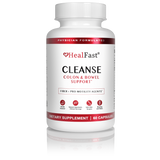
HealFast Cleanse combines ingredients including psyllium husk, oat, alfalfa, rhubarb, gentian, aloe vera, cascara sagrada, goldenseal, buckthorn, bentonite, and Lactobacillus acidophilus. This formula is designed to support bowel movements and help relieve occasional constipation and bloating.
6. Review Your Medications
Some pain medications can cause nausea or constipation. Other medications, such as NSAIDs, can upset the stomach and cause ulcers.
If you've recently started a new medication and you're experiencing digestive issues, let your doctor know. Don't take a different medication, such as an antacid, to relieve your symptoms without getting medical advice.
When Should You Worry
Contact your surgical team if you experience:
- Severe or worsening abdominal pain
- Persistent vomiting or inability to keep fluids down
- A swollen abdomen with difficulty passing gas or stool
- Blood in your vomit or stool
- Fever along with abdominal symptoms
Related Articles:
Sepsis After Surgery: Symptoms, Causes, and How Long It Can Occur
How to Speed Up Recovery After Orthopedic Surgery
Post-Surgery Fatigue: Causes, Recovery Tips, and When to Worry
FAQs
1. How long do stomach issues last after surgery?
It depends on the procedure and the cause of the symptoms. Mild symptoms such as gas or bloating may resolve in a few days. Constipation may take longer.
2. Is it normal to have a bloated stomach after surgery?
Yes. Mild bloating is common after some procedures, particularly when digestion slows or constipation develops.
3. What is ileus after surgery?
Ileus refers to a short-lived disorder affecting the intestines whereby muscles facilitating movement of nutrients and waste products through them fail to function properly. As a result, minor swelling in the abdomen, nausea, or vomiting occurs (2). Post-operative ileus is common among individuals undergoing certain types of surgery around their abdominal regions.
References:
1. Jani, B., & Marsicano, E. (2018). Constipation: Evaluation and management. Missouri Medicine, 115(3), 236–240. https://pmc.ncbi.nlm.nih.gov/articles/PMC6140151/
2. Buchanan, L., & Tuma, F. (2023). Postoperative ileus. In StatPearls. StatPearls Publishing. https://www.ncbi.nlm.nih.gov/books/NBK560780/

Probiotic 40 Billion CFU with Prebiotics
Made to order - Probiotic 40 Billion with Prebiotics is a blend of four probiotic...
$24.99
Shop Now