











Surgery is a big step, whether it’s for health reasons or to improve how you look. After surgery, the healing process starts, and many people begin to worry about their scars. Almost every patient asks the same questions:
- Will my scar be visible?
- Will it fade with time?
- Am I taking proper care of my scars?
The way you care for your skin after surgery matters more than many people realize. After surgery, scar care is not just about waiting for time to pass. It depends on the daily habits you follow while your skin is healing. The right care can help scars stay flat, soft, and less noticeable. Poor care, on the other hand, may lead to scars that look darker, raised, or take longer to heal.
This blog will guide you through the most important dos and don’ts for scar care you should consider after surgery.
Dos of Scar Care After Surgery
1. Do Follow Your Surgeon’s Instructions
Every surgery is different, and each incision heals in its own way. Your surgeon knows exactly how your incision was made and what your skin needs to heal properly. That’s why it’s important to follow their advice on cleaning the wound, changing dressings, and knowing when to start scar care.
Trying general tips too early or ignoring medical instructions can slow healing and affect how your scar looks. Always treat your surgeon’s advice as the first and most important step; everything else in your scar care routine should come after that.
2. Keep the Wound Clean and Dry
In the early days after surgery, your main goal is to prevent infection. Gently cleaning the area as advised helps protect the wound while your skin starts to close and heal. Most surgical site infections, over 50% of them, affect only the skin and the layer just beneath it (1).
Signs of a superficial infection may include redness, swelling, pus, or increased pain. Treating these infections early is important because they can delay healing and make scars thicker or more noticeable.
3. Keep the Skin Hydrated
Keeping the scar area hydrated is an important part of healing. Well-moisturized skin allows collagen to form evenly, which helps scars stay soft, smooth, and flexible. That’s why silicone-based scar care products are often recommended during recovery.
Silicone scar gel, tape, and sheets help lock in moisture, protect healing skin, and reduce irritation. With regular use, they support flatter and less noticeable scars over time. All of these are included in HealFast’s scar care bundle. Check it out and order to support better healing after surgery.

4. Start Scar Care at the Right Time
One of the biggest mistakes people make is starting scar treatment too late or too early. Scar care usually begins once the incision is fully closed and stitches or staples are removed. Starting at the right time allows treatments to work with your skin, not against it.
Consistent scar care during the first few months is especially important because this is when scars are still forming and most responsive.
5. Be Gentle With Your Scar
Healing skin is delicate. Gentle care helps prevent unnecessary stress on the incision area. Light touch, careful cleansing, and avoiding friction from clothing all help support smoother healing.
Once approved by your doctor, a gentle massage can improve circulation and help scars soften over time.
6. Protect Your Scar From the Sun
Sun exposure can darken scars, especially during the first year after surgery. Even short periods in the sun can cause pigmentation changes, making scars more noticeable. Once your incision has healed, it’s important to protect the area consistently.
Covering the scar when outdoors adds extra protection and supports better long-term healing. Sun care is a simple but crucial step in effective scar treatment after surgery (2).
Check out: Impact of Sunlight & Weather on Scars
Don’ts of Post-Surgery Scar Care
1. Don’t Pick, Scratch, or Peel the Scar
As your incision heals, itching and flaking are common. While it may be tempting to scratch or peel dry skin, it can reopen the wound or cause inflammation. This can lead to thicker, darker scars. Let scabs fall off naturally, and keep the area moisturized to reduce itching.
2. Don’t Apply Random Home Remedies
The internet is full of DIY scar remedies, but not all of them are safe, especially for healing skin after surgery. Applying harsh substances or unverified treatments can irritate the scar and disrupt healing.
When it comes to scar care, simple, clinically backed methods work best. If you’re unsure about a product or remedy, always check with your healthcare provider first.
3. Don’t Ignore Signs of Infection
If you notice redness spreading around the incision, more pain than before, warmth, pus, or fever, it could mean the wound is infected. These signs should never be ignored. An infection can slow down healing and make scars more noticeable.
4. Don’t Stretch or Stress the Incision Area
Movement is part of recovery, but too much tension on an incision, especially in areas like the abdomen, chest, or joints, can cause scars to widen or thicken. Supporting the area, wearing recommended garments, and avoiding strain help protect healing skin. Scar treatment works best when the skin isn’t constantly pulled or stressed.
5. Don’t Skip Follow-Up Appointments
Your surgeon or healthcare provider checks more than just healing; they also monitor how your scar is forming. Follow-up visits are a chance to address concerns early and adjust care if needed. Skipping these appointments means missing valuable guidance for better long-term results.
Learn Why You Shouldn’t Skip Post-Op Follow-up Appointment
6. Don’t Expect Instant Results
One of the biggest emotional challenges of scar healing is unrealistic expectations. Scars are part of the healing journey, not a flaw. Early redness or firmness doesn’t mean your scar will always look that way. Judging your scar too early can lead to unnecessary stress or overuse of products. Healing takes time, and progress is gradual.
Related Articles -
Why Do Surgical Scars Feel Lumpy? Is It Normal?
How Does Dimethicone Help Heal and Protect Scars?
Collagen vs. Collagen Peptides: Which Is Best for Scar Healing?
Find the Right Scar Care for Your Healing Stage
Every scar heals differently. The type of surgery, where the incision is located, and how your skin responds all affect how your scar forms. Choosing the right scar care at the right time can feel confusing, especially during recovery.
To make it easier, HealFast offers a quick quiz that helps guide you toward the right support for your healing stage. By answering a few simple questions about your surgery and scar type, the quiz helps you understand what kind of scar care may work best for you.

References:
1. Mangram, A. J., Horan, T. C., Pearson, M. L., Silver, L. C., & Jarvis, W. R. (1999). Guideline for prevention of surgical site infection, 1999. Centers for Disease Control and Prevention. https://www.ncbi.nlm.nih.gov/books/NBK560533/
2. de Lissovoy, G., Fraeman, K., Hutchins, V., Murphy, D., Song, D., & Vaughn, B. B. (2009). Surgical site infection: Incidence and impact on hospital utilization and treatment costs. American Journal of Infection Control, 37(5), 387–397. https://pmc.ncbi.nlm.nih.gov/articles/PMC4961501/
Myro Figura, M.D.
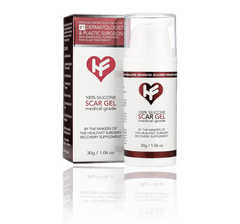
Medical-grade Silicone Scar Gel "Semi-Solid Sheeting"
MEDICAL GRADE SILICONE SCAR GEL | From the Makers of the Industry-leading HealFast Surgery Recovery...
$23.99
Shop Now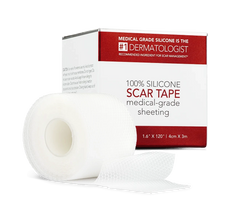
Medical Grade Scar Sheeting: Tape
Advanced Physician-formulated non-invasive scar tape specifically designed to mitigate abnormal scar formation and manage existing...
$29.99
Shop Now